
Top Marketplace Business Models To Generate Revenue
Note: We've updated this article in April 2023!
In the rapidly growing world of online marketplaces, creating a sustainable and profitable business model is crucial for long-term success. With an abundance of options and strategies to choose from, finding the perfect fit for your marketplace platform can be challenging.
In this comprehensive guide, we'll look at various marketplace revenue models, examine their advantages and disadvantages, and offer tips and insights to help you make the most informed decision for your platform.
This article is part of our series on starting an online marketplace business. If you need additional information related to this article, please contact us.
Here are the marketplace revenue models we'll be looking at:
- Commission or Selling Fees
- Subscriptions
- Listing or Publishing Fees
- Payment Processing or Transaction Fees
- Sign-up Fees
- Sponsored Listings and Promotions
- Advertising
- Auxiliary Fees and Other Models
- Affiliates and Referrals
- Bonus: designing a marketplace membership system
- Conclusion: which revenue model is right for you?
Let's jump right in:
Commission or Selling Fees
Commission fees, also known as selling or sales fees, are among the most popular revenue models for online stores and marketplaces. You'll see it used on the vast majority of platforms - from the Amazons and eBays of the world down to the smaller local and niche marketplaces. And for a reason.
Implementing this revenue model can be challenging, but when done correctly, it can become a reliable and scalable source of income. When you run a marketplace with commission fees, you earn a small share of each sale, typically collected before the payment reaches the vendor. Commission fees can be flat, percentage-based, or a combination of both.
The method for collecting commission fees will depend on your marketplace's payment flow. There are three common payment flows in online marketplaces:
- Direct payments: The customer's payment goes directly to the vendor's account. In this case, you can collect the commission fee as a reverse payment by invoicing your seller - either automatically at the time of sale or at regular intervals (e.g., monthly).
- Split payments: The payment processor splits the customer's payment between your vendors and your platform at checkout. This method can require more time and technical skills to implement, although it's less of a challenge nowadays with payment routing features being offered by the most popular marketplace payment solutions. This approach simplifies the commission fee collection process and greatly reduces your regulatory burden and compliance risk compared to payment aggregation.
- Aggregated payments: Your platform collects payments from customers and then distributes them to vendors in the form of instant or regular payouts. One of the drawbacks of this approach is the increased regulatory compliance burden as your marketplace may become subject to additional regulations, AML laws, and KYC requirements, which can result in additional administrative tasks, increased operational costs, and potential legal liabilities.
In addition to scalability, flexibility is another major benefit of a commission-based revenue model as you can design a fee structure that suits your business best by applying different commission rates to different user segments, e.g.:
- Marketplace-wide fees, e.g., $0.35 + 3% on each sale.
- Different rates based on tier or performance, e.g., 1.5% for power sellers, 3% for everyone else.
- Individual rates for individual sellers (might work well for smaller niche or wholesale marketplaces).
- Specific rates based on product category, or even individual rates for certain products.
Pros of commissions:
- Generates consistent revenue as transaction volume grows.
- Encourages UX improvements to facilitate more transactions.
Cons of commissions:
- Can be more difficult to implement than other models, especially for services with variable pricing.
- Less effective in the early stages when your platform has a lower transaction volume.
- May discourage high-volume sellers due to the potential for high fees.
Commission fees can be key to the long-term success of your online marketplace. However, be prepared to rely on other revenue streams or secure funding during the growth phase of your business, and keep your own processing expenses and profit margins in mind.
Subscriptions
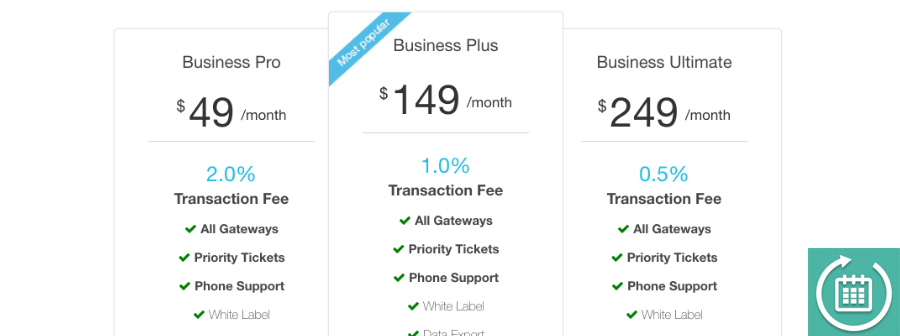
In the past decade, subscriptions have become the cornerstone of the global sharing economy. Many businesses are shifting from selling products and services (both digital and physical) to offering them as subscriptions, generating significant recurring revenues.
Recurring revenue is the main benefit of subscriptions. Not only having a predictable revenue stream makes it easier to operate your business and plan for the future, it also helps maintain and improve your core offering as long as users find it valuable. Subscriptions also make it possible to split large payments into smaller ones, making your products and services more accessible.
The key principle of subscriptions is to ensure that users derive more value from your services than the cost of remaining subscribed. This also applies to online marketplaces, where buyers and vendors might be willing to pay a recurring fee if that generates a higher return on their investment or provides them with additional benefits, such as speedier shipping.
Pros of subscriptions:
- Provide a predictable revenue stream.
- Promote user engagement as they are paying for access.
- Allow for tiered pricing to accommodate different user needs.
Cons of subscriptions:
- Can deter new users who are unwilling to commit to a subscription fee.
- May limit the overall size of the and growth of the marketplace if this is the only revenue model.
Listing or Publishing Fees

Product listing fees are a prevalent marketplace business model among two-sided marketplace platforms, particularly for those in the early stages of development. This approach is relatively straightforward to implement and involves charging a flat or variable fee when vendors list their products for sale, either immediately or by combining multiple listings into a single invoice.
Just like with commission fees, you can design a custom listing fee structure by combining various approaches to charging listing fees, e.g.
- Flat fees (e.g., $0.35 per product listing)
- Price-based fees (e.g., 5% of the product's listing price)
- Category-based fees (e.g., $25 to list a product in the Automotive category)
- Feature-based fees (e.g., +$5 for each additional product category)
Consider the following tips when implementing listing fees as your marketplace business model:
- Simplify the fee payment process for sellers to encourage product listings.
- Persuade vendors by providing historical stats and showcasing potential returns.
- If using price-based calculations with expensive products, consider implementing maximum fee caps.
Pros of listing fees:
- Straightforward and clear for sellers.
- Ideal for unique or handmade marketplaces and classified platforms.
- A viable option for platforms that don't process transactions and can't collect selling fees.
Cons of listing fees:
- Less effective in the early stages while the platform is gaining traction.
- Not suitable for all industries, e.g. less applicable to large online malls.
Payment Processing or Transaction Fees
Payment processing fee is charged to cover the costs associated with processing payments on the platform. And typically, this is a fee your processor will charge you, forcing you to pass it on to your users or recoup via other means.
However, depending on the type of your platform and the way you process payments between your users, you might be able to collect your own fees for transactions that happen within your platform, such as:
- Sign-up, listing, and membership fee payments from vendors.
- Payments for promotions, sponsored listings, ads.
- Payouts to vendors, referrals, affiliates, and other payments.
Pros of processing fees:
- May generate substantial revenue at a scale.
- Easier to implement for internal payments.
Cons of processing fees:
- Doesn't necessarily suit all marketplace types.
- Transaction-based fees may decrease user dissatisfaction.
Sign-up Fees
Sign-up fees are a simple and straightforward marketplace business model, where a flat payment is collected from sellers when they register to sell on your marketplace platform. This approach requires minimal setup, as complex payment gateways are unnecessary, and sellers pay upfront.
Charging sign-up fees can be effective even before your marketplace has gained significant traction, as long as you can sell your idea to potential vendors and convince them to join your platform early. However, you will need to combine this model with another revenue strategy for long-term success.
To make the sign-up fee business model work, especially in the early stages, consider these tips:
- Ensure the sign-up fee is affordable and reasonable for your vendors.
- Emphasize the benefits vendors will gain by joining your platform.
- Offer incentives for early bird sign-ups to encourage participation.
- Provide a personal touch for vendors who sign up, as they are investing in your idea.
Pros of sign-up fees:
- Feasible in the early stages of a platform.
- Easy to implement.
Cons of sign-up fees:
- Limited scaling potential.
- Not a recurring revenue stream.
Sponsored Listings and Promotions
Promotions are an excellent way to give vendors extra exposure and generate revenue once your marketplace platform is up and running. Many popular marketplaces use this business model to increase their profits.
Marketplace promotions can take various forms, including:
- Sponsored products on other product pages, categories, cart, and checkout
- Featured vendor profiles and products on the homepage and elsewhere.
- Promoted blog posts, newsletter mentions, and other content.
Sponsored products typically work best in product-focused marketplaces, where the product takes precedence over the vendor. Featured vendor profiles, on the other hand, are ideal for vendor-centric marketplaces, where vendors sell unique or handmade items and build relationships with customers.
When it comes to collecting payments for promotions, consider these approaches:
- Charge vendors for individual product and profile promotions, with different rates for promotion periods and locations.
- Include product promotions in higher-priced membership plans.
- Implement a credit system for vendors to purchase in bulk and use for promotions at their discretion.
- Offer free promotions as part of a broader marketing campaign to attract new customers.
If you opt to incorporate paid featured listings and promotions into your marketplace business model, keep these tips in mind:
- Ensure your offer to sellers is clear and beneficial; if it doesn't pay off, they may be hesitant to participate in the future.
- Consider your customers' shopping experience and exercise caution with sponsored products; some kind of validation might be necessary.
- Account for the technical aspect of implementing sponsored listings; determine if your current system can handle them or if development is needed.
- Avoid excessive sponsored listings that could disrupt the organic purchase flow.
Pros of sponsored listings and promotions:
- Sponsored listings scale well with marketplace growth, leading to higher prices that vendors are willing to pay.
- Promotions offer flexibility, with more placement options yielding more combinations for vendors.
Cons of sponsored listings and promotions:
- Promoting low-quality products can negatively impact the customer experience.
- Implementing featured listings may require custom development if your system doesn't support it.
Advertising
The advertising business model provides a promising avenue for monetizing your online marketplace by capitalizing on its audience and traffic. By partnering with relevant advertisers, you can generate a steady income stream while also enhancing your users' experience with targeted and useful promotions.
However, it's crucial to strike a balance between advertising and user experience, as excessive or intrusive ads may deter users and negatively impact your platform's reputation. In order to succeed with this model, you need a clear understanding of your target audience, strong relationships with advertisers, and a robust ad management system to ensure seamless integration of ads and consistent revenue generation.
There are several ways to implement ads in your online marketplace:
- Employing third-party advertising software, or services such as AdSense.
- Utilizing in-house ad software or managing your ads manually (for smaller platforms).
Depending on your platform capabilities, you may use one or more of the following advertising models to collect payments from your advertisers:
- CPI/CPM (cost per impression)
- PPC/CPC (pay-per-click/cost per click)
- Cost per period, e.g., $125 daily or weekly for the homepage ad
- Cost per post, e.g., $250 per blog post
Several ad types and placements can be considered:
- Display advertising, such as graphics and banners
- Text advertising, e.g., blog posts or newsletter mentions
- Mixed advertising, such as sponsored third-party product listings
When evaluating third-party ads as a revenue stream for your online marketplace, consider the following factors:
- Ads may drive visitors away from your website – is this trade-off worth it for your platform?
- You may not have full control over content promoted by third-party ads – how will this impact the overall experience of your marketplace members?
- Implementing a built-in ad system may require technical skills – can your team handle it?
Pros of ads:
- Relevant native advertising, if implemented correctly, can provide added value to your marketplace members.
- Monetization through ads scales well if you can reach relevant advertisers in your industry.
- Unlike affiliate and referral systems, you don't need to implement revenue sharing with vendors for advertising.
Cons of ads:
- Low-quality, non-native advertising can negatively impact the experience of your users and visitors.
- Successfully implementing and managing online marketplace advertising requires collaboration among multiple team members.
Auxiliary Fees and Other Models
In addition to the main revenue streams, online marketplaces can leverage a variety of auxiliary fees and models to diversify their income sources. These fees are typically charged for supplementary services or features that enhance the marketplace experience for sellers and buyers.
Here are some of the other ways you can monetize your marketplace platform:
- Sponsored Listings: This model allows sellers to pay a premium to have their products or services featured prominently on your marketplace. By offering better visibility, sponsored listings can increase sales for vendors and generate additional revenue for your business.
- Promotions: Marketplaces can charge fees for promotional services, such as featuring a seller's products in newsletters, social media, or special deals sections. These promotions help sellers gain exposure and drive sales while providing an extra income stream for the platform.
- Service and Convenience Fees: These fees are charged for various additional services that a marketplace may offer, such as premium customer support, advanced analytics, faster payment processing, tailored marketing campaigns, and others. These kinds of fees can help improve user satisfaction and retention while generating revenue.
- Pay Per Lead or Lead Fees: In this model, marketplaces charge sellers for each potential customer or sales lead they generate. This can be especially effective in service-oriented marketplaces, where businesses are willing to pay for the opportunity to connect with potential clients.
- Bidding Fees for Auction Marketplaces: Auction-based marketplaces can charge bidding fees, where users are required to pay a fee for each bid they place, which can increase revenue and create a sense of urgency among bidders, driving up the final sale prices.
- Other Fees: Depending on the nature of the marketplace, various other fees can be implemented, such as cleaning fees for rental marketplaces or customization fees for bespoke products. These fees cater to specific niche requirements and can enhance the overall user experience.
By incorporating a mix of auxiliary fees and other revenue models, you can create a diversified revenue stream for your platform and make it more adaptable to different market conditions.
Affiliates and Referrals

Although not revenue models per se, affiliate and referral systems can help grow your marketplace and drive sales, contributing to overall revenue growth.
Affiliate and referral systems differ in the following ways:
- In affiliate marketing, third-party advertisers promote your marketplace products without being members themselves.
- In referral marketing, existing marketplace members refer new visitors based on their personal experiences with your platform.
Affiliate systems may have a broader reach, but they don't always yield the best results in terms of revenue. Affiliates, as third-party advertisers, often have lower trust scores among their audiences.
In contrast, referral systems allow existing members to recommend your marketplace, fostering organic growth and a strong community as long as you maintain high-quality standards.
If you're considering implementing an affiliate or referral system, keep the following points in mind:
- An organic referral system is beneficial from the start if your users are satisfied, while an affiliate system might be more suitable for larger marketplaces.
- Consider fees and revenue sharing arrangements when working with third-party vendors in affiliate or referral programs.
- Developing a referral system from scratch can be complex; ensure your team is prepared for the challenge.
Pros of affiliate and referral systems:
- Encouraging satisfied users to refer friends helps build an organic ecosystem within your marketplace.
- Implementing an affiliate system can be effective for larger marketplaces.
Cons of affiliate and referral systems:
- Affiliates often generate low-quality traffic.
- You'll need to address revenue sharing when selling products by third-party vendors through affiliates.
Referral programs are generally a good fit for most industries, while affiliate systems can be more challenging to implement. Before deciding to pursue either option, thoroughly research and plan to ensure the best outcome for your marketplace.
Bonus: designing a marketplace membership system
Implementing a tiered membership system is an effective way to combine sign-up, recurring, listing, and selling fees in your online marketplace. This section provides tips and considerations for designing a tiered membership system that caters to various user needs.
When designing your plans, consider the following differentiators:
Fee rates and selling restrictions:
- Offer different sign-up fee rates for various plans.
- Provide lower product listing fees for higher-tier plans.
- Include more features in more expensive recurring plans.
- Offer lower selling fees for power sellers.
- Implement maximum order or revenue limits per plan, with the possibility of automatic tier switching.
Differentiate your plans using product listing restrictions and benefits:
- Limit the maximum number of product listings per plan, e.g., 15 listings per week.
- Specify the maximum number of categories sellers can list to, e.g., one category per product at the lowest plan.
- Restrict product publishing to specific categories only, unlocking others at higher plans.
- Allow sellers to upload a maximum number of product images and charge for additional ones.
- Set minimum and/or maximum prices for products, e.g., only premium plan members can list expensive products.
You can also grant or restrict access to marketplace features based on a seller's plan:
- Limit storage space, e.g., 200 MB of image storage for sellers on the free plan.
- Offer discount codes and gift cards for paid members only.
- Allow team access to seller control panels on higher tiers.
- Provide advanced analytics, reporting, and sales tools for paid members only.
- Enable manual order creation for premium plan subscribers.
- Grant premium sellers access to your platform's fraud tools for peace of mind.
- Offer integrations with third-party solutions for paid sellers only.
- Provide personal, live support for sellers subscribed to higher-tier plans.
When designing your tiered membership system, keep in mind not to impose excessive restrictions that could render the system unusable for sellers. As long as you remain mindful of your sellers' needs and maintain feasible membership levels, they will be more likely to upgrade when ready.
Conclusion: which revenue model is right for you?
In conclusion, selecting the ideal marketplace business model requires careful consideration of various factors. There is no universal solution that works for every platform, so it's crucial to analyze your specific situation to identify the most effective approach.
When determining the revenue model for your online marketplace, keep these factors in mind:
- Your industry and competitors: Examine what works for others in your niche. If no one is using the model you have in mind, you could be onto something innovative or potentially misguided.
- The size and life cycle of your marketplace: Some business models are more effective during early stages, while others require large volumes of sales and traffic to succeed.
- The nuances of your target market, geographical location, and culture: What works well in one region or demographic may not be as effective elsewhere.
As a starting point, consider exploring sign-up fees, product listing fees, selling fees, and featured listings. Once you have a solid foundation, you can delve into more advanced monetization strategies tailored to your platform's unique needs. By maintaining a flexible approach and adapting to the changing landscape of your marketplace, you can maximize your revenue potential and achieve long-term success.